


5 Things to Know This Limb Loss/Limb Difference Awareness Month by Elena Croy, Writer/Editor + National Down Syndrome Society DS Ambassador and Jamie Scoccimarro
Updated: Apr 24
It was April of 2017 when I first heard the term “limb difference.” Sure, I’d seen people in movies or occasionally on a family trip with prosthetic limbs, but I never considered what their life experiences might have looked like–to me, they always seemed confident and natural. Actually, the first amputee I ever saw was “the one-armed man” as they referred to him from the 1993 Harrison Ford film The Fugitive (and the 1960s television show by the same name, which I admittedly have never seen). Spoiler alert: “ the one-armed man” was a corrupt former police officer and murderer. Ouch.
Representation of people with disabilities in entertainment as evil is a longstanding tradition in Hollywood. Darth Vader had limb loss. Dr. No had steel pincers for hands. Captain Hook had, well, a hook for a hand. And most recently, Anne Hathaway took a lot of slack for portraying the evil Grand High Witch in the 2020 film The Witches with differences to her character’s hands known as ectrodactyly.
The only representation of limb difference that we’ve seen as a family with our two school-aged children, however—besides glancing at footage of Jim Abbott, the former MLB pitcher, and Def Leppard drummer, Rick Allen—is Luca, which I will say, from a mom’s perspective, is perfect. For anyone who hasn’t seen this beautiful Disney animation movie, Luca is the story of a not-scary sea monster who grows curious about life on land, discovers that out of water he can assume the form of a human boy, and proceeds to have an incredible summer adventure with a few new friends. But he’s not the one with the limb difference–it’s his new friend’s dad, Massimo Marcovaldo.
I remember watching the movie for the first time, noticing this character, wondering if I was seeing things (which I often do) or whether he really was limb-different. After making a few jokes, he utters the words, “I came into the world this way.” Disney didn’t have to do this. Or they could have made it a traumatic loss. Or a million other things. But they chose to represent a big, strong man with one arm who is a capable father and who provides for his family. (If you’re wondering if I cried, duh! Yes! Of course I cried!)
New Friends
About a year or so ago, our family discovered a very special friend. His name is also Massimo, or Massi as we came to know him, and I’m excited to introduce you to his mama this month for Limb Loss/Limb Difference Awareness Month!

Massi’s limb difference was first detected on a 20 week anatomy scan while still safe and snug inside of my womb. Some may call me a planner, but my preparation to protect him started there. We recruited specialists in Philadelphia, New York, and Boston to take a look at our little guy once he arrived, and the unified recommendation was “he’s perfect just the way he is.”
Luckily by now we had gotten to know him as our son and we wholeheartedly agreed. Formally, his condition is known as symbrachydactyly and there’s not one thing we could’ve done to prevent this life turn, nor would we want to, knowing what we do now. Massi has 5 fully functional fingers on his right hand and a thumb/pinky combo on his left–a born surfer holding up an eternal shaka, if you will. He has the ability to grasp, which has made his limb difference quite functional. While there still may be special ways to navigate the everyday things like wearing a baseball mit or tying a shoe, we meet these challenges with grace.
We have found such a strong community of supportive humans in the shared space of differences and diagnoses. We really welcome all questions, we want to explain, and we want you to move on to getting to know all the other amazing parts of our son that make him both different and so much the same.
What Should I Know?
Congenital versus acquired limb loss/limb difference. Congenital limb loss/difference is when a baby is born with the condition, meaning that something happened during the baby’s development to cause the difference. These causes can include trauma, such as amniotic band syndrome where a thread from the amniotic sac wraps around a developing limb like a tourniquet and it cannot grow, genetics, or, much to the dismay of a parent, for reasons unknown. About 4 in 10,000 babies are born with upper limb differences and 2 in 10,000 babies are born with lower limb differences. Leading contributors to acquired limb loss/difference, meaning the person was not born this way, include diabetes and vascular disease. Traumatic events, such as sporting or vehicular accidents, can also cause limb loss. Lower extremity limb amputation is significantly more prevalent than is upper extremity limb amputation.
Upper limb difference versus lower limb difference. Upper limb difference refers to any difference to a person’s arms, hands, or fingers. Lower limb difference refers to any difference to a person’s legs, feet, or toes.
5.6 million Americans live with limb loss/limb difference. 2.3 million Americans are considered to have limb loss and 3.4 million Americans are considered to have limb difference, according to data pulled by the Amputee Coalition from insurance claims. (I.e., many more cases are likely going unreported.)
Not all people with limb loss/limb difference will choose to wear a prosthetic device. Prosthetics aren’t easy and they’re not perfect, plus it’s a personal and deeply individualized choice whether a person decides to go through the process of being fitted for a device. Depending on insurance access, prosthetics can also be cost-prohibitive.
Limb loss/limb difference does not have to be limiting. There are so many tools and one-handed solutions for all sorts of daily activities: cars can be modified for driving, children are supported in schools with 504 plans, women carry pregnancies to term and care for their newborn babies. If you’ve thought of it, an adult self-advocate or entrepreneur has likely already come up with a solution!
There’s so much more we could share about limb loss/limb difference as two moms raising our sons right here in Bergen County, but in the end, we really just hope that you will choose to be nice. Please don’t stare. Ask kind questions. Don’t touch. Be respectful. And always presume competence!
Lots of love,
Elena & Jamie
What am I reading?
Upward Bound by Woody Brown (2026). If you know anyone who is nonverbal or who has unreliable speech (#IYKYK), PLEASE run out and buy this book. Order it for overnight delivery. The story is written by a nonverbal man who, after earning an associates degree, must return to a day program with his disabled peers. I’ve never read anything like this. I don’t know that anything like this will ever exist again. Go. Buy. The. Book.
What am I listening to?
The most recent episode of The Lucky Few Podcast, “What We Wish We’d Known About Functional Medicine,” discusses the potential benefits of functional medicine for our loved ones with Down syndrome, which is a journey I’ve been on for myself since last summer to resolve some issues that traditional medicine wasn’t able to address.
What am I watching?
I think you know what’s playing in my house right now–Luca! It’s just so timely. (Okay, fine, I’m also getting into Severance , having finished a binge of Pluribus and may or may not have dabbled in a show about a false Mormon prophet on Netflix, but let’s focus on Luca for now!)
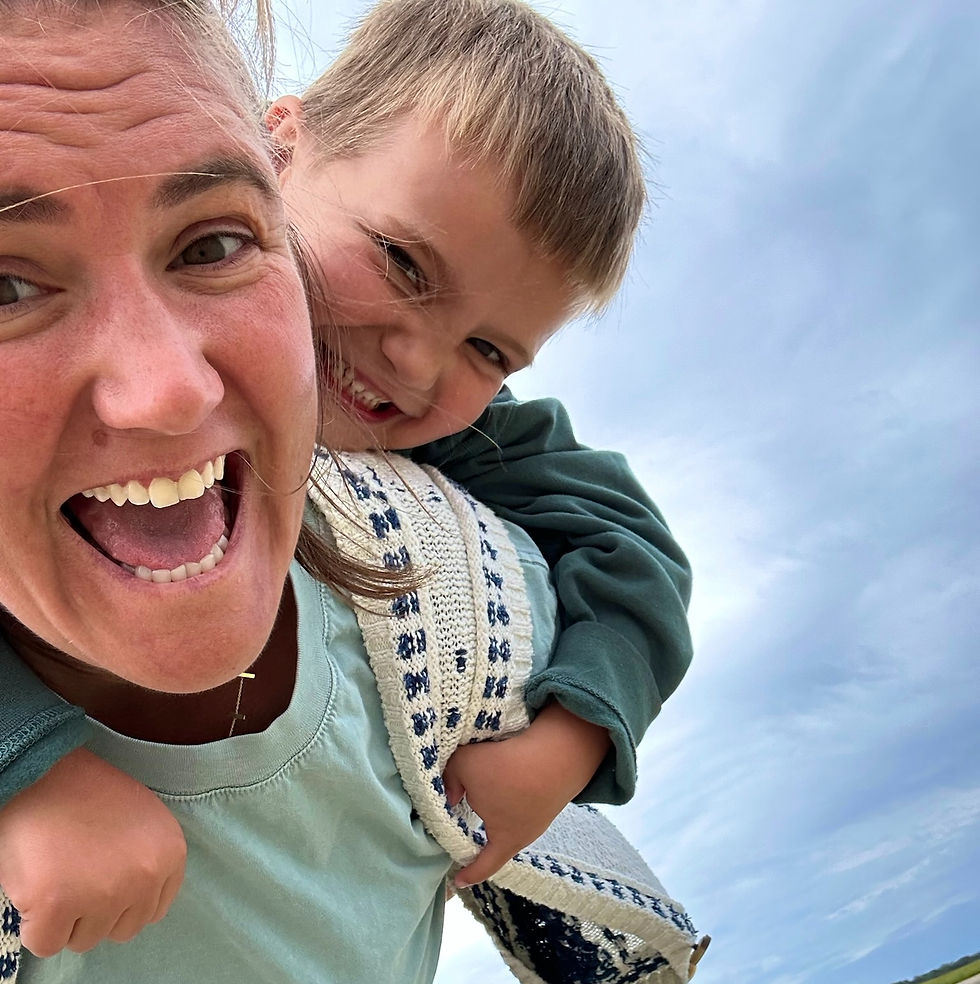
Jamie Scoccimarro is an acute care nurse practitioner and professor of nursing practice at Columbia University. She and her husband are raising two boys, Massi and Otto, who keep them on their toes. Although the healthcare system is familiar to Jamie, she finds the same skills she’s used in her career to be the best training for her most important gig as “Mom.” Jamie passionately advocates for her son, Massi, who was blessed with differences that include symbrachydactyly, speech apraxia, and autism.
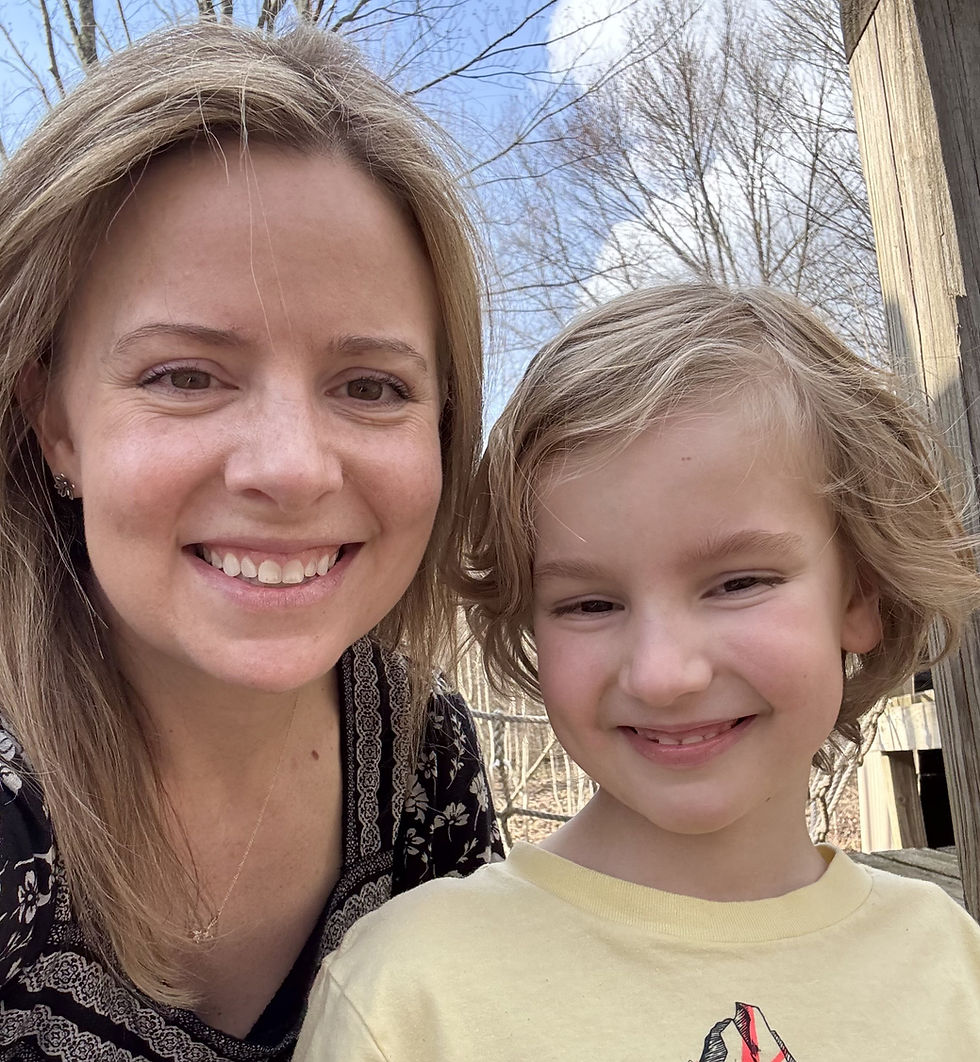
Elena Croy is an ordinary mom learning life’s lessons from her two extraordinary children. She and her husband are raising their little girl, who has Down syndrome, and their son, who was born with upper limb differences, in Ridgewood. Elena chronicles their challenges, triumphs, and goofiness at AtHerOwnPace.com. Elena is proud to serve as a grassroots Down syndrome advocate for the National Down Syndrome Society.


Comments